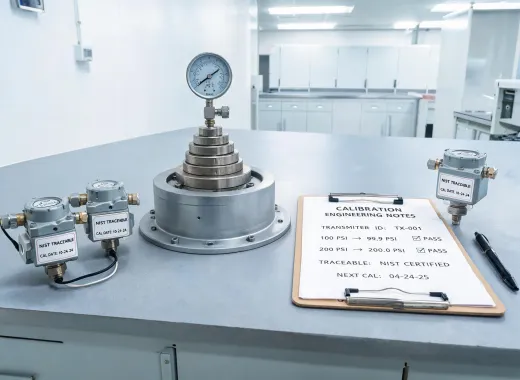
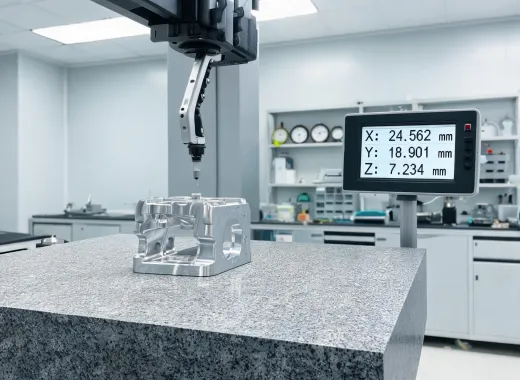
Engineers in a measurement technology workspace

About Keyence

An instrumentation culture built around evidence, not decorative precision

Keyence works with industrial teams that need measurements to remain explainable after commissioning. The company focus spans process instrumentation, sensors and transmitters, dimensional metrology, and analytical laboratory instruments. Across those categories, the shared standard is straightforward: every recommendation should connect to a measurable condition, a documented accuracy statement, and a service path that still makes sense during the next audit.

Mission

Keyence helps engineers reduce the gap between specification intent and installed instrument behavior. That means asking about media, range, signal output, enclosure rating, calibration interval, approval region, and the people who must later defend the decision. The mission is practical: fewer re-specification cycles, fewer undocumented substitutions, and fewer surprises when an auditor asks how a reading was produced.

Vision

The next generation of industrial measurement will be more connected, but it still depends on physical realities: sensor drift, wet legs, cable noise, target geometry, and sample preparation. Keyence aims to make digital diagnostics and sustainable operating plans useful by tying them to field evidence, calibration records, and maintenance behavior rather than abstract dashboards.

Culture Values

How technical decisions are made here

A

Application first

A transmitter is not discussed without the medium, range, process connection, ambient conditions, and output requirement. A microscope is not discussed without the inspection method, sample handling, and evidence needed from the image.

B

Uncertainty is named

Accuracy claims are stated as values such as ±0.1% of reading or reported uncertainty like U95 ≤ 0.04%. When a claim depends on laboratory conditions, that boundary is named before the product enters a specification.

C

Service is part of design

Calibration, repair, spare availability, and documentation flow are considered early because they determine the real cost of ownership long after a device is mounted and wired.

D

Compliance is regional

CE, UKCA, FCC, ATEX, IECEx, MID, OIML, and NTEP requirements are checked by application and geography. Keyence avoids broad claims and asks which approval actually governs deployment.

E

Documentation travels

Certificates, wiring notes, scaling information, and commissioning checks are prepared so maintenance teams can use them at the cabinet, the skid, and the quality meeting.

F

Feedback changes the next build

Field data on drift, false alarms, response time, or operator handling is routed back into the next specification review instead of staying buried in service notes.


Work with a team that treats measurement as evidence.

Bring your process condition, inspection method, or service history. Keyence will help translate it into a product and documentation path that can be reviewed by engineering, maintenance, and quality.

Start a Technical Review